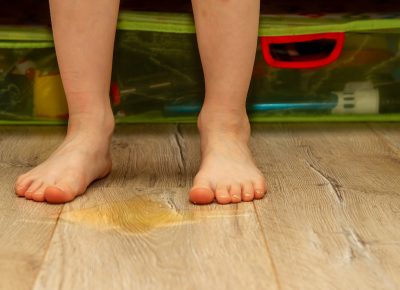
Daycare centers are vibrant spaces full of energy, learning, and play. However, they are also hotbeds for unexpected spills and biological accidents. Knowing the proper protocols for cleaning up bodily fluids is essential for maintaining a safe, hygienic environment and stopping the spread of infectious illnesses among young children.
Protocols for Cleaning Up Bodily Fluids Safely
When an incident occurs, staff must respond quickly while adhering to strict safety steps to minimize contamination risks:
-
Isolate the Area: Move children away from the spill immediately.
-
Wear Personal Protective Equipment (PPE): Always put on disposable gloves and, if necessary, aprons or masks before cleaning up bodily fluids.
-
Absorb and Contain: Use absorbent powders, paper towels, or disposable pads to contain liquid spills before applying liquid cleaners.
-
Clean First, Then Disinfect: Remove all organic material using soap and water before applying an EPA-registered disinfectant.
-
Observe Dwell Time: Ensure the disinfectant remains wet on the surface for the full manufacturer-recommended contact time (usually 2–10 minutes).
-
Dispose and Wash: Seal all contaminated waste in heavy-duty plastic bags and thoroughly wash hands with soap and water immediately after glove removal.
Handling Different Fluid Types
Different substances present unique sanitation challenges:
-
Vomit: Highly contagious due to norovirus. Cover the spill with an absorbent solidifying powder, scoop it into a biohazard disposal bag, and thoroughly disinfect the area.
-
Urine: Often acidic and quick to penetrate porous materials. Clean promptly to eliminate deep-set odors and bacterial growth.
-
Feces: Carries high risks of bacterial pathogens like E. coli or parasites such as Giardia. Scrape off solids carefully into a toilet before sanitizing the target area.
-
Blood: Requires strict adherence to OSHA Bloodborne Pathogens standards. Staff must exercise extreme caution when cleaning up bodily fluids that involve blood to prevent exposure to bloodborne pathogens like Hepatitis B or C.
Surface-Specific Cleaning Protocols
Different materials respond differently to moisture and chemical disinfectants. Proper handling ensures total sanitation without damaging your facility’s infrastructure.
-
VCT Floors: Vinyl Composition Tile resists liquids well. Blot up excess fluid and wash with neutral cleaner before applying an EPA-registered disinfectant. Avoid harsh abrasives that strip the floor wax.
-
Carpet: Carpet fibers are highly porous. Absorb liquids using liquid-binding powder or heavy-duty towels without rubbing, then extraction clean with hot water and apply a carpet-safe disinfectant sanitizer.
-
Hardwood: Moisture-sensitive floors require prompt attention when cleaning up bodily fluids to avoid wood warping. Wipe dry, clean with a wood-safe solution, and sanitize with compatible, non-corrosive disinfectants.
-
Tile: Glazed ceramic or porcelain tiles block liquid penetration, but grout lines absorb fluids quickly. Clean the tile surface and scrub grout lines thoroughly with a stiff brush and an EPA-registered disinfectant.
-
Wood Furniture & Play Structures: Seal status determines absorption rates. Unfinished wood requires extra care, while finished wood should be sanitized using damp disinfectant wipes without oversaturating the edges.
Essential Supplies Every Facility Needs
Staff should never have to search for supplies during an active spill. Keep dedicated spill kits stocked in every classroom or central station, containing:
-
Disposable nitrile gloves, aprons, and eye protection
-
Absorbent spill powder or fluid solidifiers
-
Disposable scrapers and paper towels
-
EPA-registered disinfectant sprays or wipes
-
Heavy-duty biohazard waste disposal bags
Properly trained staff equipped with the right supplies can execute cleaning up bodily fluids efficiently, ensuring daycare facilities remain healthy, safe, and fully operational for the children in their care. Proper compliance when cleaning up bodily fluids protects staff, children, and visitors alike.