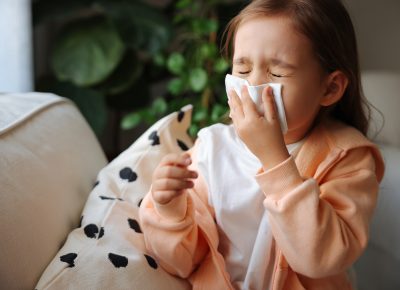
Daycare centers are bustling hubs of early childhood growth, social development, and learning. However, because young children are still developing their immune systems—and frequently share toys, touch surfaces, and explore the world with their hands—childcare facilities can also become hotbeds for circulating seasonal viruses like influenza, RSV, the common cold, and stomach bugs.
For daycare owners, directors, and facility managers, maintaining a pristine, hygienic environment is essential not only for the health of the children and staff but also for building lasting trust with parents.
1. Target High-Touch Germ Hotspots
While general tidiness keeps a room looking neat, infection control requires focusing heavily on surfaces where germs frequently land and multiply. Establish a rigorous, scheduled disinfecting routine for these primary hot spots:
Doorknobs, handles, and push plates: Frequently touched by children, teachers, and visiting parents throughout the day.
Light switches and push buttons: High-contact areas that are rarely cleaned unless intentionally scheduled.
Faucet handles and toilet flushers: Critical zones in restrooms that require regular mid-day sanitizing loops.
Check-in tablets and shared kiosks: Reception areas see dozens of different hands every morning; keep disinfectant wipes or hand sanitizer stationed right next to sign-in clipboards and screens.
Stair railings and cubbie handles: Shared touchpoints used during transitions between classrooms and outdoor play.
2. Implement Smart Toy and Material Management
Toys are magnets for saliva and germs, especially among infants and toddlers who put everything in their mouths.
The “Yuck Bucket” System: Keep a designated bin in every classroom. If a child mouths or drops a toy, it goes straight into the bucket to be sanitized before anyone else can touch it.
Toy Rotation: Reduce clutter and cross-contamination by rotating toys out in batches. Fewer items out at one time make end-of-day disinfection much more manageable.
Soft Surfaces & Nap Mats: Plush toys, dress-up clothes, and fabric items should be laundered weekly in hot water. Wipe down vinyl or plastic nap mats daily, and ensure they are stored so that sleeping surfaces never touch each other.
3. Elevate Cleaning vs. Sanitizing vs. Disinfecting Protocols
Understanding the difference between cleaning tiers ensures your facility uses the right tool at the right time:
Cleaning: Uses soap and water to physically remove visible dirt, debris, and some germs.
Sanitizing: Lowers germ counts to safe public health thresholds—essential for food-contact surfaces like lunch tables.
Disinfecting: Uses EPA-registered chemical solutions to actively kill pathogens on hard surfaces.
Always follow dwell-time instructions and ensure products are completely dry and safe before children re-enter the space.
4. Make Hand Hygiene a Playful Routine
Handwashing remains the single most effective defense against the spread of viral infections.
The 20-Second Rule: Teach children to scrub with soap and water for a full 20 seconds. Use fun songs, countdown timers, or visual step-by-step graphic guides near every sink.
Mandatory Milestones: Build hand hygiene into the daily rhythm—upon arrival, before and after eating, after restroom use, after outdoor play, and immediately following a cough or sneeze.
Respiratory Etiquette: Train staff and children to practice the “vampire sneeze” (coughing or sneezing into the inside of the elbow rather than bare hands) followed by immediate handwashing.
5. Enforce Clear, Consistent Sick Policies
Even the best cleaning regimen cannot stop a virus if ill individuals are actively circulating in the facility.
Stay-Home Guidelines: Clearly communicate to families that children and staff must stay home if they exhibit fevers (100.4°F or higher), vomiting, diarrhea, or persistent contagious symptoms.
The 24-Hour Rule: Require individuals to be entirely symptom-free without the aid of fever-reducing medications for at least 24 hours before returning to the center.
Quick Isolation Protocols: If a child begins showing signs of illness during the day, move them to a designated quiet supervision area immediately while notifying parents for prompt pickup.
Partner with Professional Daycare Cleaners
Achieving hospital-grade sanitation while managing day-to-day childcare operations is a demanding balancing act. Professional cleaning partners specializing in childcare facilities bring specialized equipment, safe eco-friendly disinfectants, and systematic deep-cleaning routines designed to protect your children, ease your staff’s workload, and give parents total peace of mind.